


What Happens If I…? Simple Cause-and-Effect Play for Little Explorers.
Drop it. Pick it up. Do it again.
If you've spent time with infants and toddlers, you've probably seen this play out. A child drops a toy, watches what happens, and then does it again. And again.
To us, it might look repetitive. To them, it's a little experiment.
What happens if I let go? Where will it go? Can I make it happen again?
These everyday moments are a simple way for young children to explore cause and effect learning where their actions can make something happen. You don't need a complicated activity to get started.
What Happens If I Drop It?
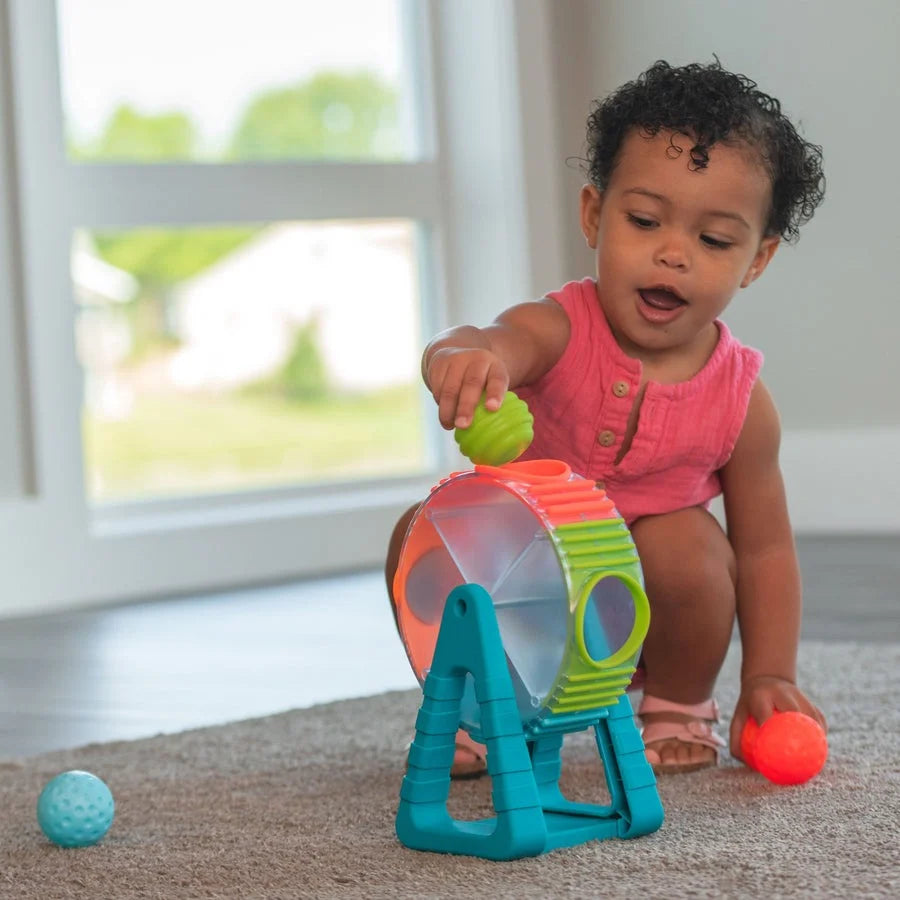
Dropping is one of the easiest ways to introduce cause and effect.
Give little ones something safe to drop, retrieve and try again. With the Wonder Wheel Ball Drop, children can place textured balls into the wheel and watch them spin before the balls come back out. They can then find the balls and start all over again.
Try asking:
“Where did it go?”
“Should we try another one?”
Then let them take over.
What Happens If I Put It Here?
Sometimes, the fun is discovering that an object can travel somewhere you don't expect.
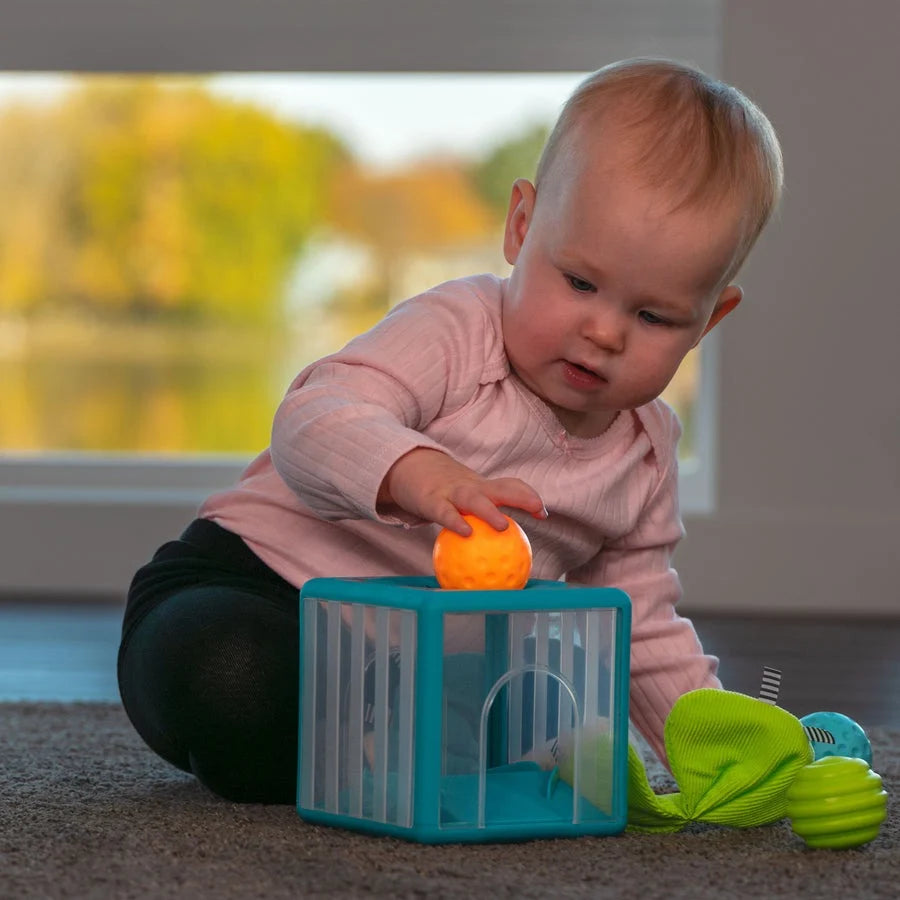
With the Sensory Surprise Tissue Box, children can drop textured balls into the box and explore where they come out. As they become more familiar with the activity, educators can start asking simple prediction questions:
“Where do you think the ball will come out?”
Then wait and see.
The box is designed to grow with children, with different ways to explore it as their skills develop.
What Happens If I Turn It?
Cause and effect can also be about movement.
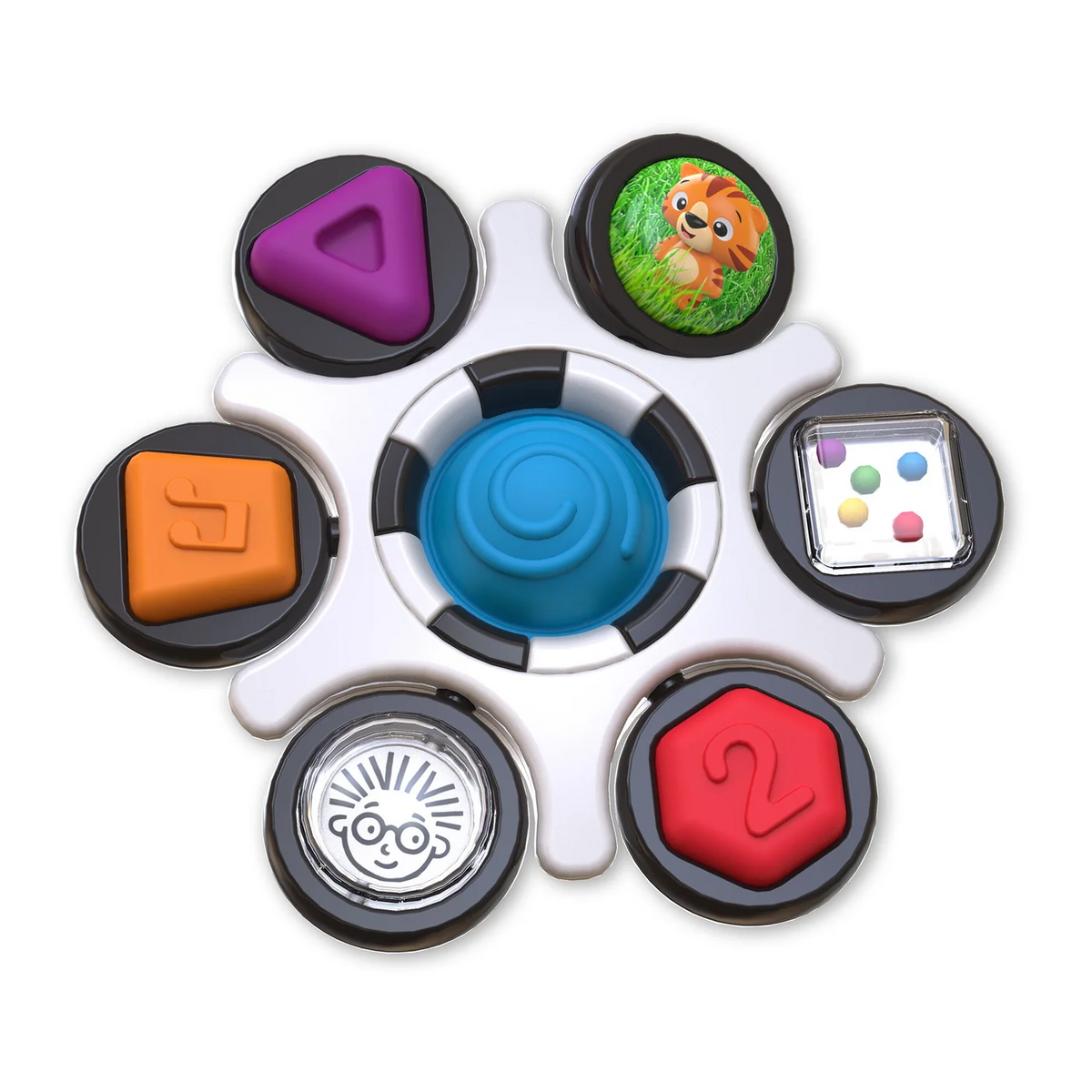
The Curiosity Clutch – Sensory Toy gives infants different ways to explore through grasping, turning, pulling and interacting with its activities. Instead of demonstrating every feature, try placing it in front of a child and giving them time to figure out what they can do with it.
You might be surprised by what they discover on their own.
Let Them Do It Again
Here's the thing about little experiments: they often need to be repeated.
If a child wants to drop the same ball ten times, let them.
If they want to spin the wheel again, let them.
If they discover something new and immediately try it again, they're testing their idea.
You don't always need to step in and explain what they're learning. Sometimes, the best thing you can do is give them the time and space to figure it out.
Once children become familiar with an activity, add a little more curiosity.
Try questions like:
- What do you think will happen?
- Where will it go?
- What happens if we try another one?
- Can you make it move?
- What should we try next?
There doesn't have to be a correct answer. The discovery is the learning.
Cause-and-effect play can start with something as simple as a ball, a spinner or something to push and pull.
For infants and toddlers, play is often about trying something, seeing what happens and deciding whether to try it again.
So, the next time you hear or see a little “What happens if I…?”, give them the chance to find out.
Because sometimes, the best learning starts with a little curiosity.